
Fabada Asturiana Cremosa y Reconfortante is the kind of meal you crave when the day’s been long and you just want something warm that actually feels like dinner. I used to think it was one of those dishes you only order in restaurants because it “must be complicated.” Turns out, if you’re patient and you use the right beans, it’s totally doable at home. The best part is the smell that fills your kitchen while it simmers, like your house suddenly learned how to hug you. If you’ve ever struggled with dry beans, bland broth, or beans that break into mush, don’t worry, I’ve been there. Let me walk you through how I make my creamy, cozy version at home, with the little tricks that really matter.
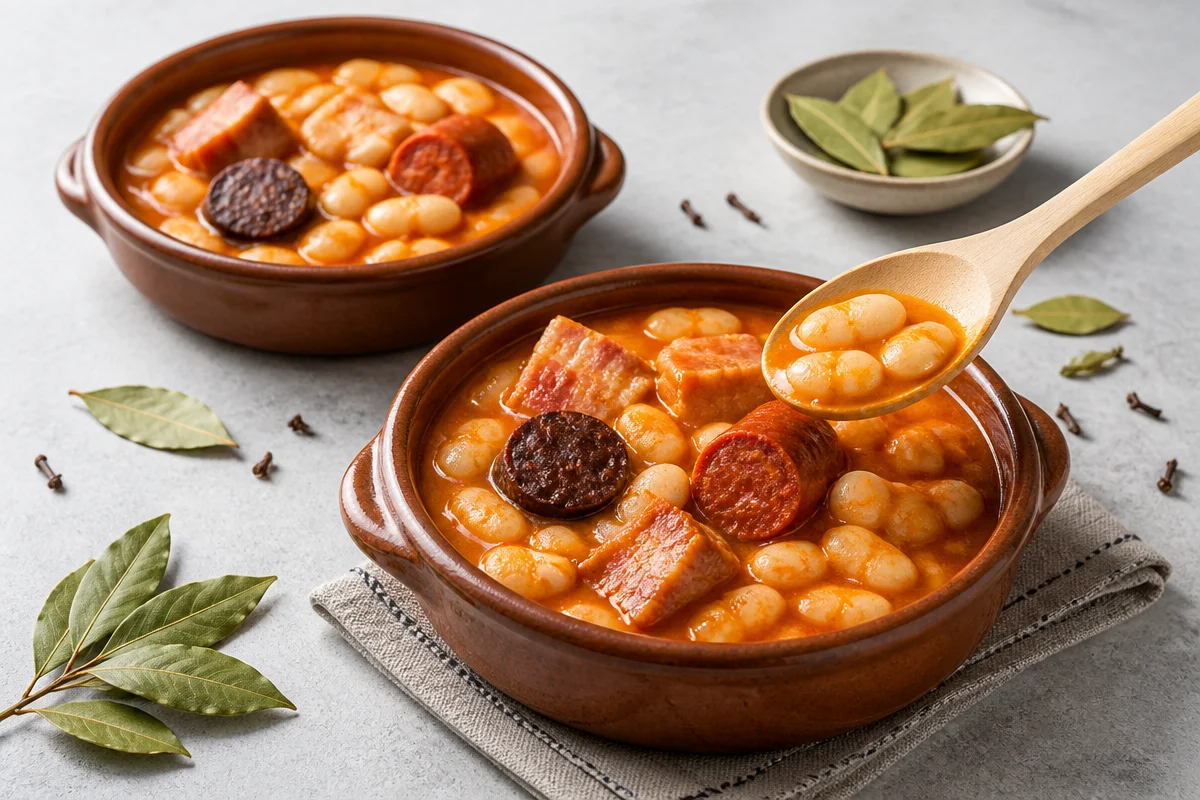
Mi mejor receta de FABADA ASTURIANA en olla tradicional
This is the version I come back to when I want the real deal: slow, gentle, and super comforting. I’m not trying to reinvent anything here, just sharing what works in my own kitchen and what I’ve learned after a few “oops” batches. If you want more background on the dish and why it’s such a big deal in Spain, I also love this read: Fabada asturiana la joyita de la cocina española.
What you’ll need and what I actually buy
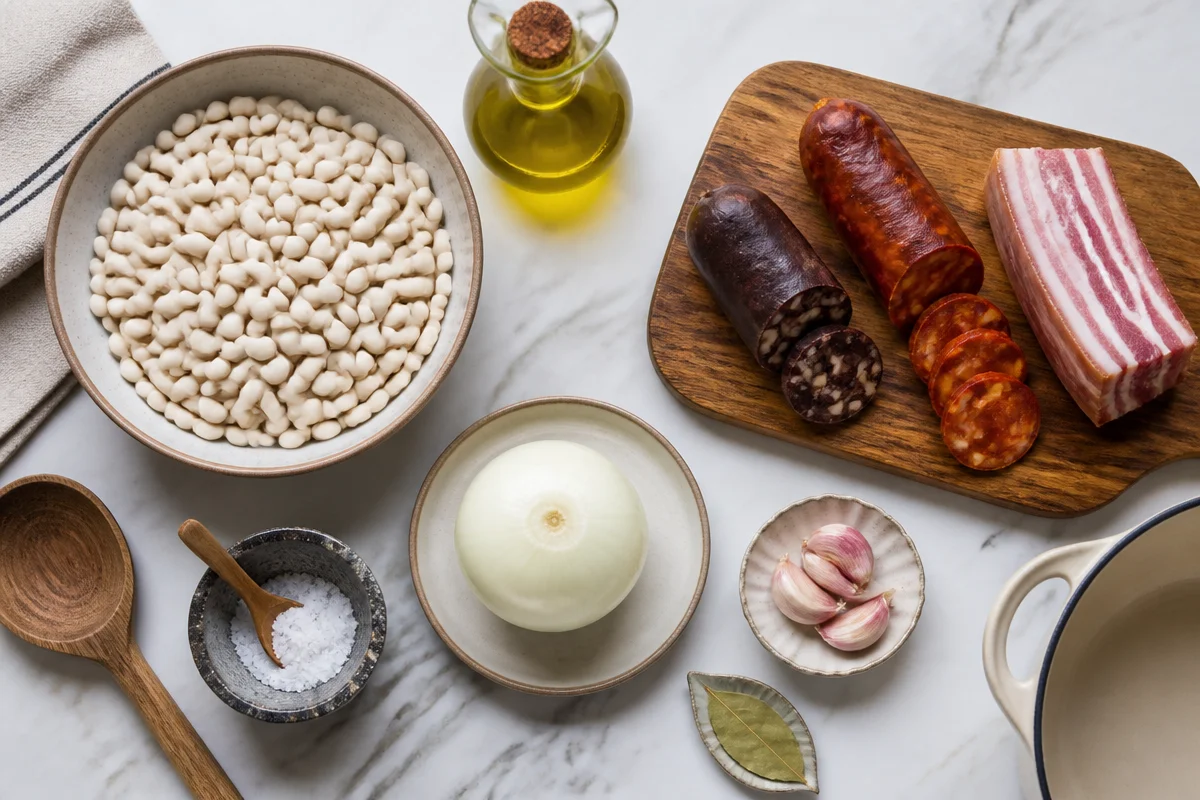
- Dry fabes (Asturian fabes if you can find them, or big white beans as a backup)
- Chorizo (Spanish style, not fresh Mexican chorizo)
- Morcilla (blood sausage, optional but adds depth)
- Pancetta or tocino (we’ll talk more about this later)
- 1 onion (whole, peeled)
- 2 to 3 cloves garlic (optional, but I like it)
- 1 bay leaf
- Olive oil (just a splash)
- Salt (add near the end)
- Water (no broth needed, the pot makes its own magic)
Here’s my simple method in a traditional pot. I soak the beans overnight in plenty of cold water. The next day, I drain them, then add them to a pot and cover with fresh cold water by about two fingers. I add the chorizo, morcilla, and the fatty piece (tocino or similar), plus the onion and bay leaf. Then I bring it up to a gentle simmer, not a wild boil, because that’s how you keep the beans whole and creamy.
Once it’s simmering, I lower the heat and let it go slowly for around 2 to 2.5 hours, depending on the beans. If the liquid drops too much, I add a little cold water. Yes, cold. It helps the beans cook evenly and it’s a classic trick. When everything is tender, I remove the meats, slice them, and return them to the pot. Then I salt carefully at the end. The broth should be rich and slightly thick, and the beans should feel buttery, not crumbly.
“I tried this at home after years of being scared of dry beans, and it came out creamy on the first try. The cold water tip was a game changer.”
Lo ms importante a la hora de hacer esta receta!
This section is basically the stuff I wish someone had told me sooner. Because fabada is simple, but it’s also picky. It rewards calm cooking. The whole goal is that creamy, comforting spoonful that tastes like it took all day, because it kind of did.
Here are the big things that matter most:
1) Bean quality and soaking
If your beans are old, they’ll take forever and still stay a little tough. If you can, buy from a place with decent turnover. And soak overnight. No shortcut beats that, honestly.
2) Gentle heat
If you boil hard, the skins split and you end up with bean confetti. Keep it at a calm simmer. If you see aggressive bubbling, turn it down.
3) Don’t rush the salt
Salt too early and sometimes the skins toughen. I add salt when the beans are already close to tender.
4) Skim if you need to
The first 20 minutes can foam a little. I skim it with a spoon. It’s not a huge deal, but it makes the broth cleaner.
5) Let it rest
If you can, let the pot sit off the heat for 20 to 30 minutes before serving. The broth settles, thickens, and tastes more “together.”
And one more thing: if you love cozy spoon dinners as much as I do, put this on your list for another day: guiso de lentejas receta reconfortante y tradicional. It’s that same comforting vibe, just with lentils.
Lacn o tocino?
People ask this a lot, and I totally get why, because different regions and families do it differently. And sometimes what you can find at your local store decides for you.
In many traditional versions, you’ll see lacón mentioned, which is basically cured pork shoulder, often slightly smoky and salty. Tocino is more like fatty pork belly or fatback, and it brings that silky richness to the broth.
Here’s how I decide:
If you want deeper savory flavor: go with lacón if you can find it. It adds a meaty backbone that feels very “special occasion.”
If you want the creamiest broth: tocino wins, because the fat melts slowly and makes everything feel fuller and rounder.
If you’re nervous about it being too heavy: use a smaller piece of tocino, or do lacón and skip extra fatty cuts.
My personal sweet spot is a modest piece of tocino plus chorizo, then morcilla when I’m feeling extra. It’s cozy, not greasy, as long as you don’t go overboard with the fattier parts. And if you accidentally do? Chill the pot, skim some fat, and reheat. No shame, it happens.
By the way, if you enjoy seafood in comforting bean dishes, this one is such a nice change of pace: alubias con almejas un plato reconfortante y delicioso. It’s lighter but still feels like a warm blanket.
Fabada Vegana en 20 Minutos
Okay, let’s be real for a second. Traditional fabada is slow and porky. But sometimes you want the comfort without the meat, or you forgot to soak beans, or it’s Tuesday and you just need something fast. This is my quick vegan version that scratches the same itch: creamy beans, smoky flavor, warm spices. It’s not the same dish, but it’s honestly really satisfying.
My shortcut method uses canned beans. I know, I know. But it works when you need it to.
- 2 cans of large white beans, drained and rinsed
- 1 small onion, chopped
- 2 cloves garlic, chopped
- 1 teaspoon smoked paprika
- 1 to 2 tablespoons olive oil
- 1 bay leaf
- 2 to 3 cups water (or veggie broth if you like)
- Salt and black pepper
- Optional: a tiny splash of soy sauce or a pinch of smoked salt for that “something”
I sauté onion and garlic in olive oil for about 5 minutes until soft. Then I stir in smoked paprika quickly so it doesn’t burn. Add beans, bay leaf, and water. Simmer 10 to 12 minutes. Then I mash a small scoop of beans against the side of the pot and stir, so it turns creamy without any fancy tools. Taste, add salt, pepper, and that little splash of soy sauce if you want extra depth. Done.
It’s not meant to replace the classic, but it’s a lifesaver when you want comfort food fast. And honestly, I’ve served it to friends who “only like the meaty one” and they still went back for seconds.
OTROS PLATOS DE CUCHARA que no puedes perderte
If you’re making Fabada Asturiana Cremosa y Reconfortante at home, you’re basically announcing you’re a spoon dinner person. Welcome, it’s a great club. The nice thing is that once you get into these slow, cozy meals, you start building a little rotation for cold nights, busy weeks, and Sundays when you just want your kitchen to smell amazing.
Here are a few ideas for your next comforting pot:
Bean and seafood stews when you want something lighter but still hearty.
Lentil stews because they’re budget friendly and super forgiving.
Vegetable creams and purees
And yes, I’ll say it again because it’s the theme of this whole post: Fabada Asturiana Cremosa y Reconfortante is worth learning. Once you nail it once, you’ll start making it for guests, and you’ll quietly feel proud of yourself when everyone goes quiet at the table.
Common Questions
1) Can I make Fabada Asturiana Cremosa y Reconfortante without soaking the beans?
You can, but I don’t recommend it for the traditional version. Soaking helps the beans cook evenly and turn creamy. If you forgot, go for the quick canned bean version instead.
2) How do I keep the beans from breaking?
Keep the heat low and steady, and avoid stirring a lot. Also, don’t hard boil. Gentle simmer is your best friend.
3) When should I add salt?
Near the end, when the beans are almost tender. Then adjust little by little.
4) Can I freeze leftovers?
Yes, and it freezes really well. Cool it completely, portion it out, and freeze. Thaw in the fridge and reheat gently with a splash of water.
5) Why is my broth not creamy?
Usually it’s either not cooked long enough, or the beans are a bit old. You can mash a small spoonful of beans into the broth to help thicken it naturally.
A warm bowl to make your week better
If you take one thing from this post, let it be this: Fabada Asturiana Cremosa y Reconfortante is mostly about good beans, low heat, and not rushing it. Once you try it at home, you’ll see why people love it so much, and why leftovers are almost better the next day. If you want to compare methods, I found this guide helpful: Cómo hacer fabada asturiana: receta fácil y tradicional. And if you’re building a cozy meal plan for the week, tossing in something like Crema Ecológica de Calabaza Anko on a busier night keeps the comfort theme going with almost zero effort. Try the recipe, take your time, and let your kitchen do its thing.
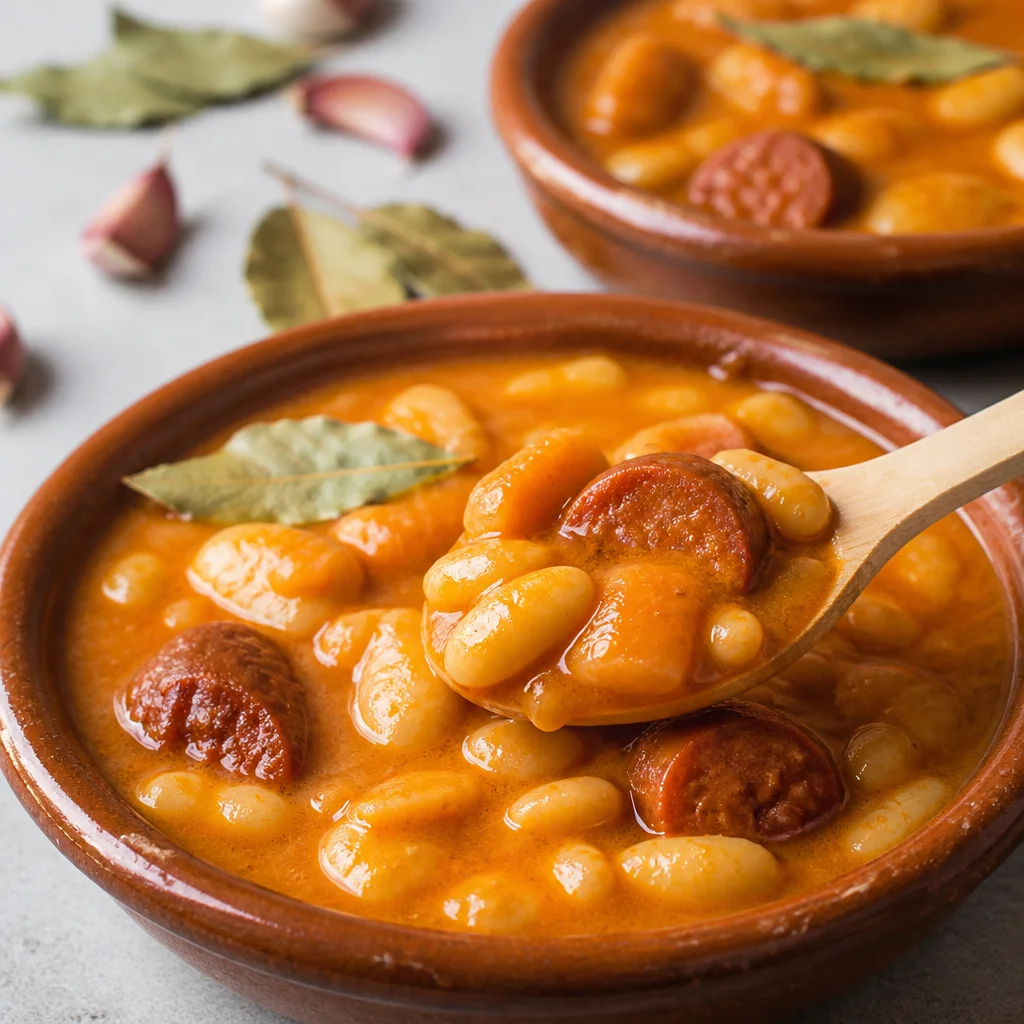
Fabada Asturiana
Ingredients
Method
- Soak the dry fabes overnight in plenty of cold water.
- The next day, drain the beans and add them to a pot.
- Cover with fresh cold water by about two fingers.
- Add chorizo, morcilla, tocino, onion, and bay leaf to the pot.
- Bring to a gentle simmer, not a boil.
- Lower the heat and let simmer for 2 to 2.5 hours, adding cold water if the liquid drops too much.
- Once tender, remove the meats, slice them, and return to the pot.
- Add salt carefully at the end.