
Empanada Gallega de Atún Casera is one of those recipes I make when I need something filling, cozy, and honestly pretty foolproof. You know the days when you want real food but you do not want a sink full of pans? This is it. It is great for lunches, weekend gatherings, and the kind of dinner where everyone keeps sneaking “just one more” slice. I started making it after tasting a bakery version that was good, but a little dry, and I knew I could make it juicier at home. If you have a couple of basic pantry staples, you are already halfway there.
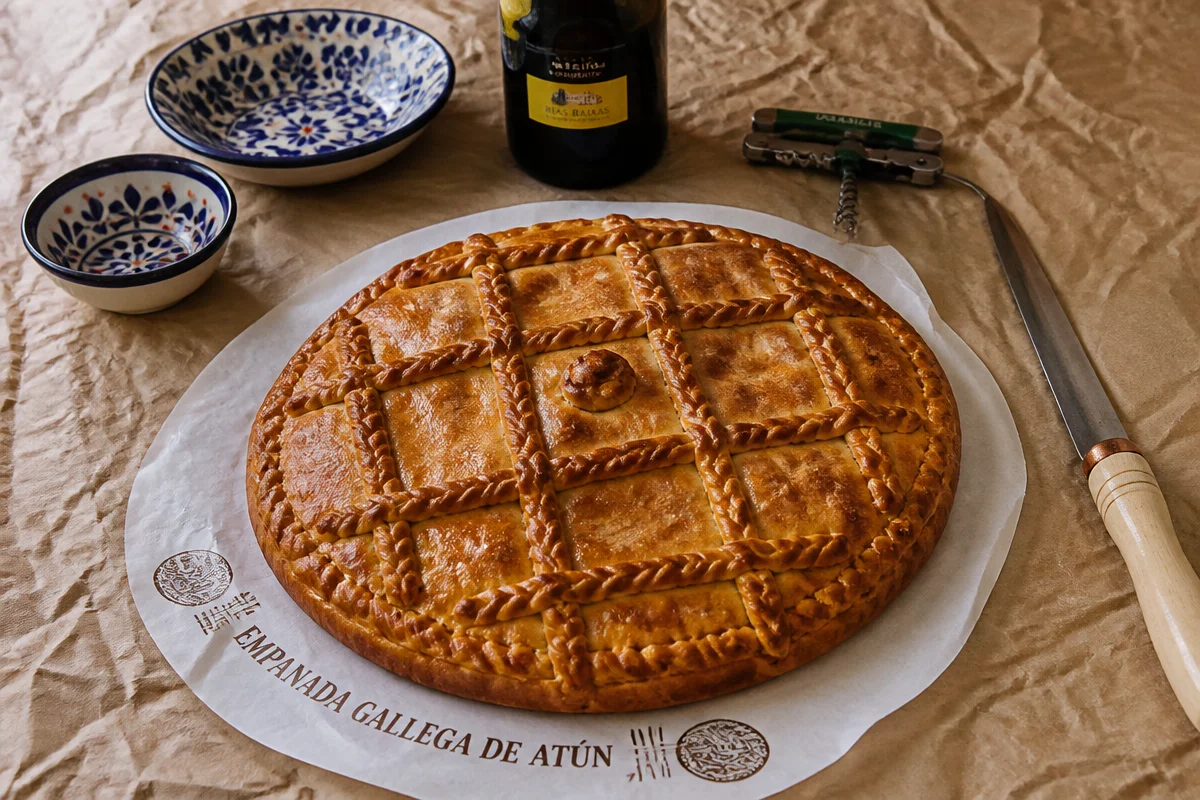
Cómo hacer empanada gallega de atún
This is my simple, home style flow. The idea is: make a soft dough, cook a quick onion pepper tomato filling, add tuna, then bake until golden and your kitchen smells like you are doing something very right.
What you will need (simple and realistic)
- For the dough: flour, warm water, olive oil, salt, and yeast (fresh or dry)
- For the filling: onions, bell peppers, tomato (crushed or grated), olive oil, salt
- The star: canned tuna in olive oil (or drained if packed in water)
- Optional extras: boiled egg, olives, a pinch of sweet paprika
I usually start with the filling first, because it needs time to cool down. In a wide pan, cook sliced onions with a good splash of olive oil and a pinch of salt. When they turn soft, add peppers. After that, add tomato and let it simmer until it looks thick and not watery. Turn off the heat and stir in the tuna so it stays juicy and does not dry out.
Now the dough. Mix flour and salt in a bowl, dissolve yeast in warm water, then add water and olive oil to the flour. Stir, then knead until it feels smooth and elastic. It should be soft, not stiff. Let it rest until it puffs up a bit. While it rests, I like to peek at this recipe too because it is a nice reference point when I want to compare styles: empanada de atún receta casera y deliciosa.
When the dough is ready, divide it into two pieces, one slightly bigger for the base. Roll the base out, place it on a lined baking tray, spread the filling leaving a border, then cover with the top piece. Seal the edges by folding and pressing. Make a small hole in the center so steam can escape. Brush with beaten egg if you want that shiny bakery look.
Bake at 390 F or 200 C until it is golden, usually 25 to 35 minutes depending on your oven and how thick you rolled the dough.
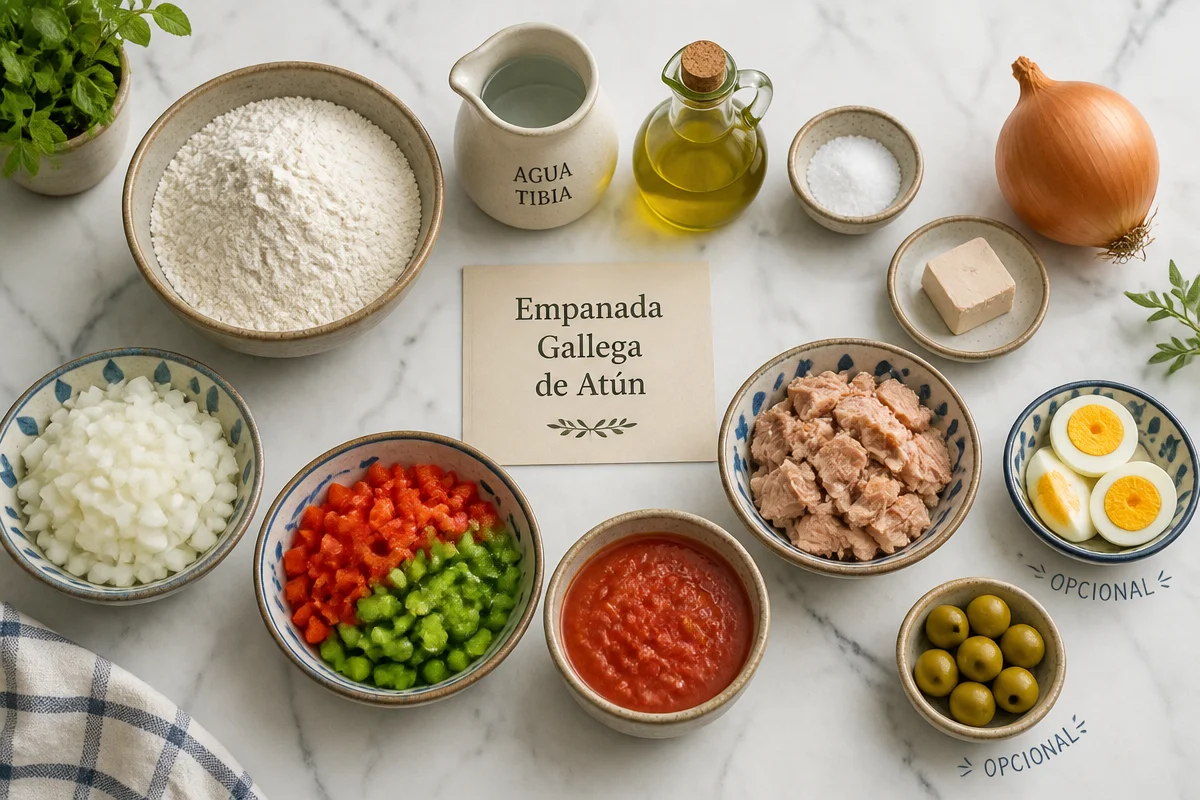
Proporciones de la masa de empanada gallega
If you have ever wondered why some empanadas feel bready and others feel light, it often comes down to proportions. Here is the ratio I use most often for Empanada Gallega de Atún Casera, and it has never let me down.
My reliable base dough proportions:
For one large tray empanada (about 10 to 12 slices)
Flour: about 500 g (around 4 cups, spooned and leveled)
Warm water: about 250 ml (1 cup)
Olive oil: about 100 ml (a little under 1/2 cup)
Salt: 8 to 10 g (1 1/2 teaspoons)
Yeast: 7 g dry (1 packet) or about 20 g fresh
What to watch for is the dough feel. If your flour is thirsty, add a tiny splash more water. If it feels too sticky to handle, dust with a little flour, but do not overdo it or the dough gets tough.
Also, a small trick that makes this taste more “Galician bakery”: if your filling released tasty oil, you can use a couple spoonfuls of that oil in the dough. It gives color and a deeper flavor, and it makes the whole Empanada Gallega de Atún Casera feel more cohesive and rich.
If you want to read more about the different styles and why this pastry is such a classic, this is a fun background piece: empanadas gallegas un delicioso viaje gastronomico.
Con qué acompañar la empanada gallega
Let us be real, Empanada Gallega de Atún Casera can totally be dinner all by itself. But if you are serving people, or you want to make it feel like a full spread, here are my go to sides that actually make sense.
Easy sides that work every time:
Simple green salad with olive oil and vinegar
Roasted peppers or a little bowl of olives
A light soup like vegetable broth or lentil soup if it is cold out
Fresh fruit after, especially oranges or melon
If it is a party situation, I cut it into small squares and put it on a big plate. It disappears fast. And it is one of those foods that tastes great warm, but also stays delicious at room temp, which is honestly a gift when you have people coming in and out of the kitchen.
“I made this for a picnic and everyone asked where I bought it. The crust was soft, the filling was not dry at all, and it tasted even better the next day.”
One more thing: if you want dessert that is as low stress as the empanada, I often bake a simple yogurt cake while the dough is rising. It is quick, and it makes your house smell amazing. This one is my favorite: bizcocho de yogur receta casera esponjosa y facil.
Receta de empanada gallega con bonito y pimientos
This version is so good it deserves its own moment. If you can find bonito del norte (Spanish tuna, usually a bit nicer and softer), use it. The flavor is gentle and it stays buttery in the filling.
Here is how I do it:
1) Cook 2 large onions slowly in olive oil until sweet and soft.
2) Add 1 red bell pepper and 1 green bell pepper, sliced thin. Let them soften.
3) Stir in 200 to 250 g crushed tomato. Simmer until thick. This part matters because watery filling can break your dough.
4) Turn off heat. Add 2 to 3 cans of bonito, gently flaked. Add salt as needed and a pinch of sweet paprika if you like it cozy.
5) Cool completely before filling the dough.
If you want to add boiled egg, I chop it and mix it in right at the end with the fish. Olives are also great, especially if you like little salty bites. For me, the combo of peppers plus bonito makes this feel extra special without being complicated.
This is also a nice version to make ahead. I have assembled it, covered it, and baked it a couple hours later with no issues. Just do not let it sit overnight unbaked because the dough can get too moist.
And yes, this still counts as Empanada Gallega de Atún Casera in my kitchen, even when I switch the tuna to bonito. Same cozy vibe, just a slightly fancier fish.
Consejos para verificar si la empanada gallega está lista
I used to overbake empanada because I was scared of raw dough. Then I learned a few simple signs that tell you the truth without stress.
My quick doneness checklist
Color: The top should be golden, not pale. If you egg washed it, it will shine a bit too.
Bottom: Lift a corner gently with a spatula. The bottom should have some color, not look wet or doughy.
Edges: The sealed edge should feel firm and set, not squishy.
Sound: This sounds funny, but if you tap the top lightly, it should feel like a baked crust, not like soft bread dough.
If the top is browning too fast but the bottom is not done, move the tray lower in the oven for the last few minutes. And if you want clean slices, let it rest at least 15 to 20 minutes. The filling thickens a bit as it cools, so it does not slide out everywhere.
When you nail these signs, your Empanada Gallega de Atún Casera comes out with a crust that holds, and a filling that stays juicy. That balance is the whole point.
Common Questions
Can I use store bought dough?
Yes. Puff pastry gives a different style, but it is still tasty. If you use pizza dough, keep the filling thick and not watery.
Do I need to cook the tuna filling first?
Cook the vegetables and tomato first, then add tuna off the heat. This keeps it tender and prevents that dry canned tuna texture.
How do I keep the bottom from getting soggy?
Make sure the filling is cooled and thick. Also bake on the lower rack for part of the time and use a preheated oven.
Can I freeze it?
Yes. Freeze baked slices wrapped well. Reheat in the oven so the crust stays crisp. Microwave works but softens it.
How long does it last in the fridge?
About 3 days in a sealed container. I like to warm slices in the oven for 8 to 10 minutes.
A cozy final note before you bake
If you try this Empanada Gallega de Atún Casera, focus on two things: a thick, cooled filling and a soft, well rested dough. Once you get that, the rest is just rolling, sealing, and letting the oven do its job. If you want to compare other home versions, I like reading Empanada gallega de atún – Recetas de Miriam García / El invitado … and this one with a really tender dough at Receta de empanada gallega de atún, con una masa suave y ligera. Now go bake it, slice it, and do not be surprised if you catch yourself eating the corner pieces first, they are the best part.
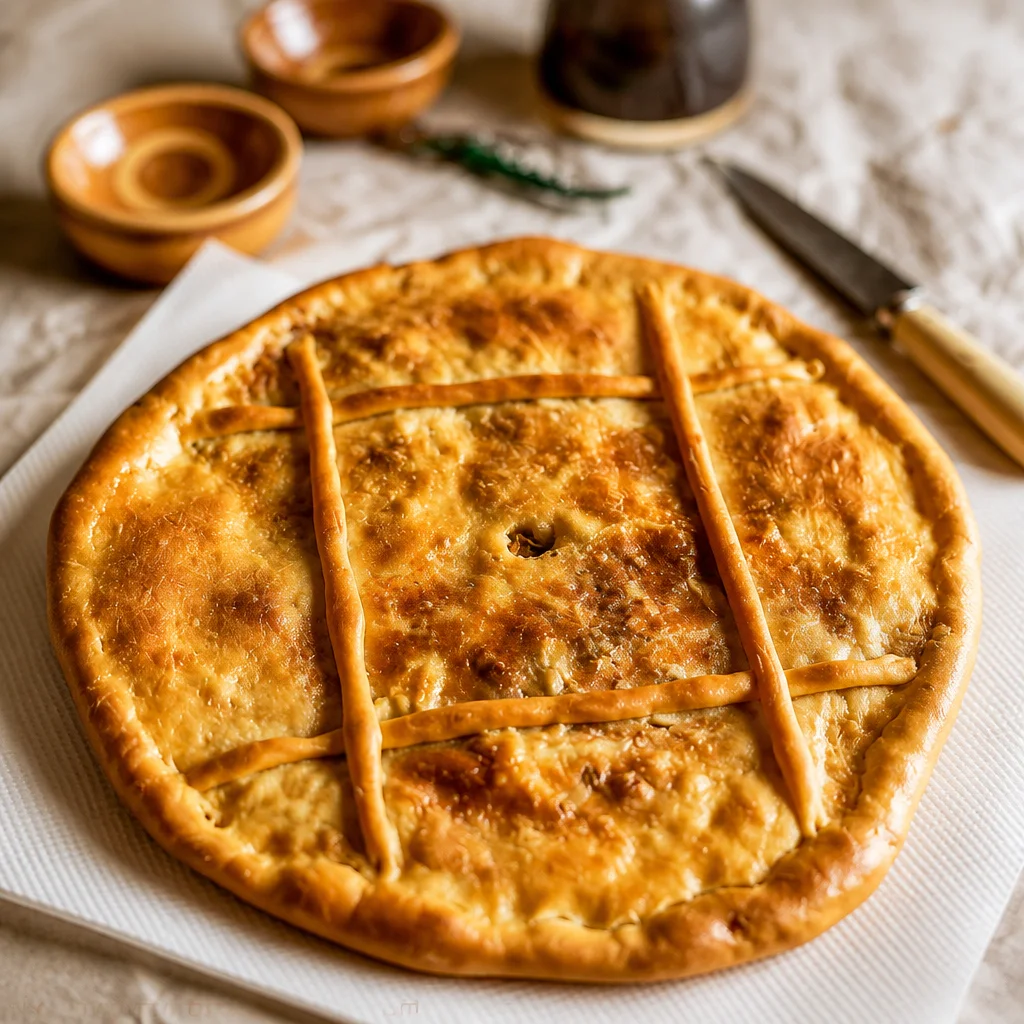
Empanada Gallega de Atún
Ingredients
Method
- En una sartén ancha, cocina las cebollas en un buen chorro de aceite de oliva y una pizca de sal hasta que estén blandas.
- Agrega los pimientos y cocina hasta que estén tiernos.
- Añade el tomate y deja que espese, luego retira del fuego e incorpora el atún.
- Deja enfriar el relleno completamente.
- Mezcla la harina y la sal en un bol.
- Disolver la levadura en el agua tibia y luego añadir al bol con harina y aceite de oliva.
- Amasa hasta que esté lisa y elástica, luego deja reposar hasta que suba un poco.
- Divide la masa en dos partes, una un poco más grande para la base.
- Extiende la base y coloca en una bandeja de horno forrada.
- Esparce el relleno sobre la masa, dejando un borde, y cubre con la parte superior de la masa.
- Sella los bordes y haz un pequeño agujero en el centro para que escape el vapor.
- Hornea a 200°C (390°F) hasta que esté dorada, aproximadamente 25 a 35 minutos.
Notes
Empanada Gallega de Atún
Ingredients
Method
- En una sartén ancha, cocina las cebollas en un buen chorro de aceite de oliva y una pizca de sal hasta que estén blandas.
- Agrega los pimientos y cocina hasta que estén tiernos.
- Añade el tomate y deja que espese, luego retira del fuego e incorpora el atún. Deja enfriar el relleno completamente.
- Mezcla la harina y la sal en un bol.
- Disolver la levadura en el agua tibia y luego añadir al bol con harina y aceite de oliva.
- Amasa hasta que esté lisa y elástica, luego deja reposar hasta que suba un poco.
- Divide la masa en dos partes, una un poco más grande para la base.
- Extiende la base y coloca en una bandeja de horno forrada.
- Espacre el relleno sobre la masa, dejando un borde, y cubre con la parte superior de la masa.
- Sella los bordes y haz un pequeño agujero en el centro para que escape el vapor.
- Hornea a 200°C (390°F) hasta que esté dorada, aproximadamente 25 a 35 minutos.