
Salmorejo Cordobés Cremoso y Fresco is my go to fix when it’s too hot to cook, but I still want something that feels like real food and not just a sad snack. You know those days when you open the fridge, stare for a minute, and hope dinner magically appears? This is that kind of recipe. It’s cold, creamy, and somehow comforting at the same time. Plus, it looks fancy enough to serve to friends, even though it’s honestly super simple. Let me show you how I make it at home, with the little tricks I’ve learned after messing it up once or twice. 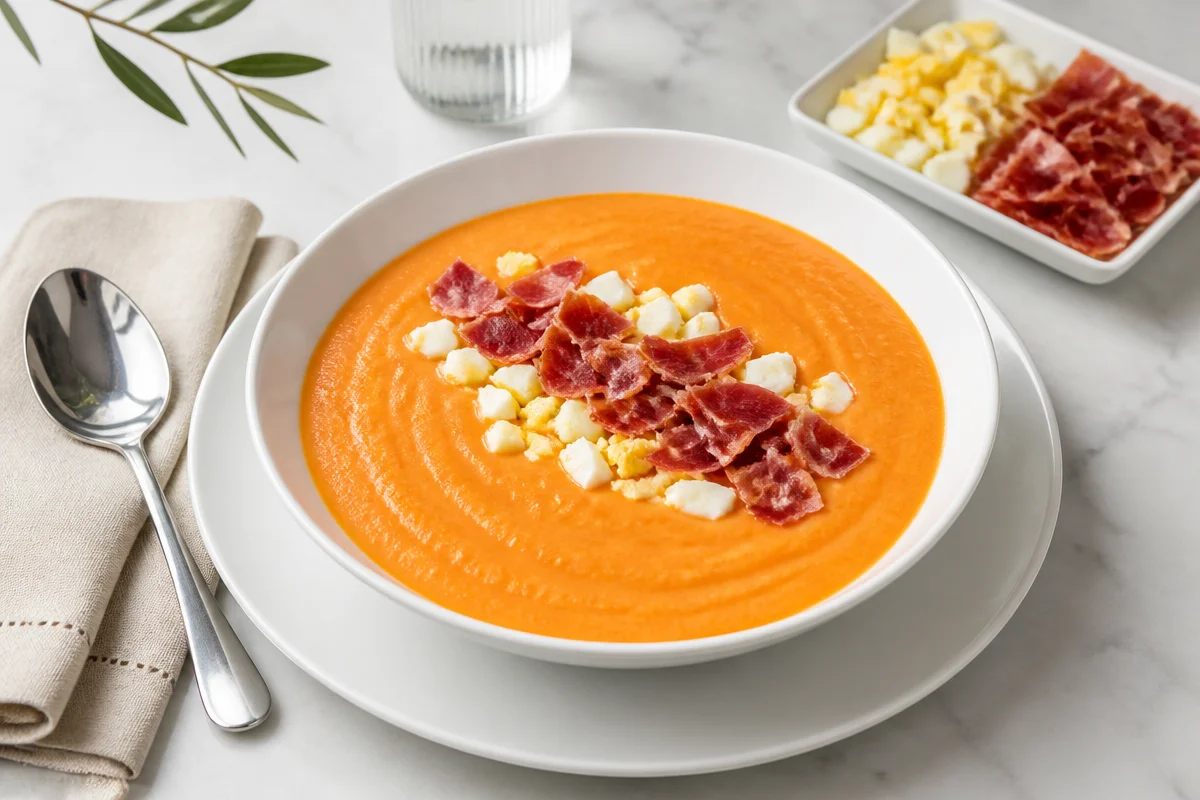
Como hacer salmorejo cordobes tradicional
The traditional version is basically a thick, velvety tomato soup that you eat cold. The magic is in getting the texture right, like a spoonable cream, not watery gazpacho. The good news is you don’t need special skills, just decent tomatoes, good olive oil, and a blender that can handle it.
Ingredients and what you will need
I’ll keep this simple and realistic. Here’s what I use for about 4 servings:
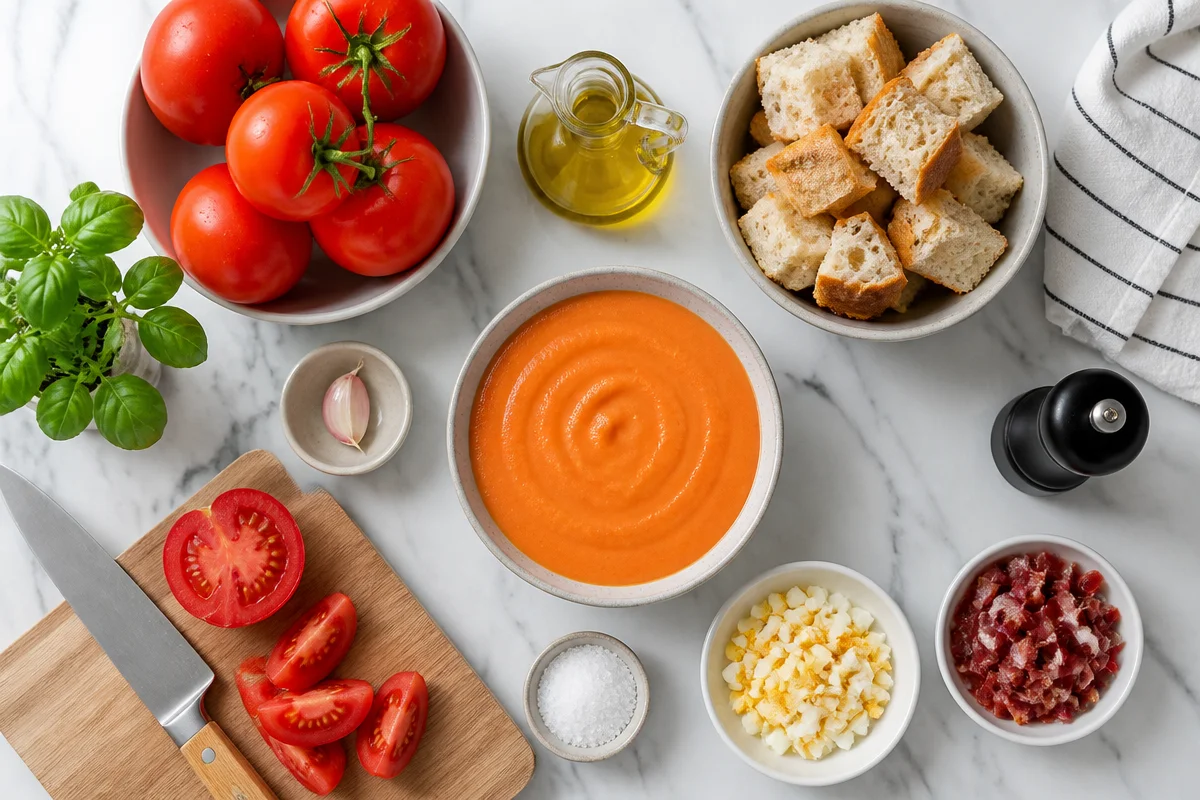
- Ripe tomatoes (about 2 pounds, the riper the better)
- Day old bread (around 5 to 6 ounces, crust on is fine)
- Extra virgin olive oil (about 1 third cup, add slowly)
- 1 small garlic clove (optional but traditional)
- Salt (start small, adjust later)
- Optional toppings: chopped hard boiled egg, jamón, extra olive oil
What you’ll need: a blender, a bowl, a fine strainer if you want it extra smooth, and a fridge because this tastes best really cold.
My easy step by step
Here’s how I do it without overthinking:
1) Wash the tomatoes and cut them into chunks. I don’t peel them first because I blend and then strain when I feel like it.
2) Blend tomatoes with a pinch of salt. Once it’s liquid, add the bread in pieces and let it sit for 2 minutes so it softens.
3) Blend again until it looks smooth and thick.
4) Add garlic if you’re using it. Go easy, a little goes a long way in a cold soup.
5) Now the key part: with the blender running, drizzle in the olive oil slowly. This is what makes it creamy and rich. If you dump it in, it can separate and feel greasy.
6) Taste and adjust salt. If you want it silky, strain it. If you like it rustic, skip it.
7) Chill at least 2 hours. Overnight is even better.
By the way, if you’re planning a Spanish style meal, I love pairing this kind of starter with a hearty dish later like caldereta de cordero. Cold soup first, cozy stew later, it just works.
Con que acompanar el salmorejo cordobes
This is where you can really make it your own. Salmorejo Cordobés Cremoso y Fresco is amazing on its own, but toppings and sides make it feel like a full moment, not just a bowl of soup.
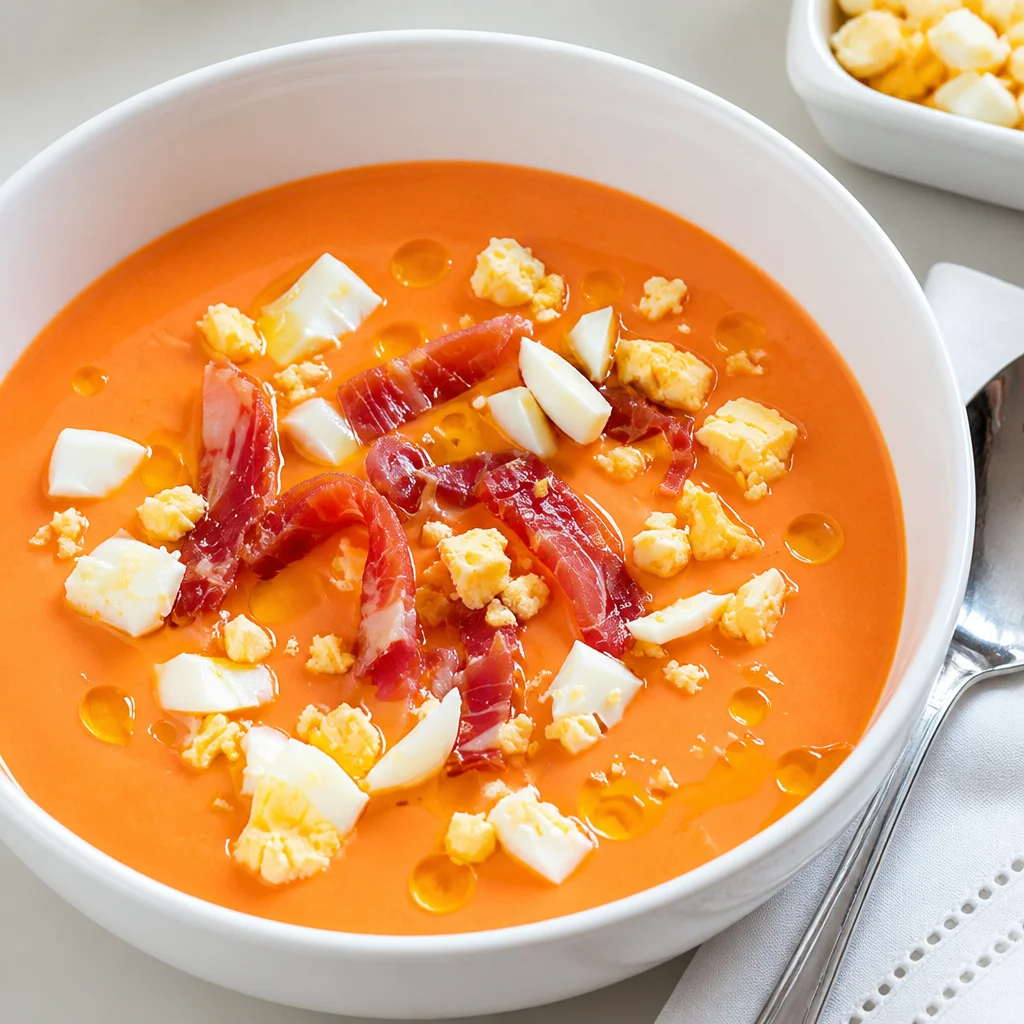
Classic toppings are chopped hard boiled egg and jamón. I do both when I have them, but even just egg gives it a nice bite. If I want it lighter, I’ll do diced cucumber or a few croutons.
If you’re serving it to guests, here are a few easy ideas that don’t require extra stress:
- A plate of sliced bread with olive oil and salt
- Spanish olives and a few roasted peppers
- A simple salad with tuna
- Something sweet after, like bizcocho de yogur, which is basically comfort in cake form
“I tried your Salmorejo Cordobés Cremoso y Fresco recipe for a family lunch and everyone asked for seconds. The texture was so smooth, and the olive oil tip made a huge difference.”
En que se diferencia el salmorejo de aguacate de la receta cordobesa tradicional?
Okay, let’s talk about the avocado version because people ask about it a lot. Traditional salmorejo is tomatoes, bread, olive oil, garlic, salt. That’s the core. The avocado twist is more modern and makes it even creamier, with a softer flavor.
Here’s the simplest way to explain the difference:
Texture: Avocado makes it thicker and extra smooth, almost like a savory smoothie bowl but in a good way.
Flavor: Traditional is more tomato forward and tangy. Avocado version is milder and a bit buttery.
Color: Traditional stays a strong tomato orange. Avocado turns it more pastel and greenish, depending on how much you add.
Ingredients: You can reduce the amount of bread when you use avocado, because avocado already adds body.
I like making avocado salmorejo when I want something less acidic, or when my tomatoes are not at peak summer perfection. It’s also a fun way to switch things up without leaving the Spanish vibe completely.
Que aporta este salmorejo de aguacate a nuestra salud?
I’m not a nutritionist, but I do try to keep things balanced, and this is one of those recipes that feels indulgent but still has a lot going for it. When you make a version with avocado, you’re adding some extra benefits on top of what tomatoes already bring.
Here’s what it can add in a very normal, real life way:
Healthy fats: Avocado and olive oil bring fats that help you feel satisfied, so you’re not hunting for snacks 20 minutes later.
Fiber: Avocado plus a little bread can keep your digestion happy.
Vitamins and antioxidants: Tomatoes are known for lycopene, and avocado brings vitamins like E and some B vitamins.
Hydration friendly: It’s a cold soup, so it’s an easy way to get fluids when it’s hot and you don’t feel like eating much.
One practical tip: if you want it lighter, use less bread and add a splash of cold water to loosen it. You still get that creamy vibe, just not as filling.
And if you’re building a full Spanish style menu with seafood, something like alubias con almejas can be a cozy main dish after a small bowl of salmorejo as a starter.
Consejos para evitar que el salmorejo de aguacate se oxide y pierda su color
This is the annoying part of avocado anything. You make it, it’s gorgeous, and then it starts turning dull. The good news is you can slow it down a lot.
Here’s what works for me:
Use acid: Add a little lemon juice or a small splash of vinegar. It helps keep the color brighter. Start with a teaspoon, then taste.
Seal it well: Put it in an airtight container. If you can, press plastic wrap directly onto the surface so there’s no air touching it.
Olive oil layer trick: A thin drizzle of olive oil on top can help protect the surface.
Keep it cold: The fridge slows down browning. Don’t leave it sitting out while you chat and set the table.
Make it close to serving: If I’m doing the avocado version for guests, I usually blend it a few hours before, not the night before.
Also, if it darkens a tiny bit, don’t panic. It still tastes good. Just stir it, add a fresh drizzle of olive oil, and it perks up visually.
Common Questions
1) Can I make Salmorejo Cordobés Cremoso y Fresco without bread?
Yes, but it won’t be traditional. You can use less bread, or swap in avocado for thickness. Expect a lighter texture.
2) How long does it last in the fridge?
Traditional version is best within 2 to 3 days. Avocado version is best within 24 hours for color and freshness.
3) Do I have to strain it?
Nope. Straining makes it smoother, but if your blender is strong and your tomatoes are ripe, you might not even miss that step.
4) Why did mine turn out watery?
Usually it’s too much tomato juice and not enough bread, or it wasn’t chilled long enough. Add a bit more bread and blend again, then chill.
5) What if it tastes too acidic?
Add a little more bread or a slightly bigger drizzle of olive oil. You can also balance with a tiny pinch more salt.
A little final push to try it this week
If you’ve been craving something cold, satisfying, and easy, Salmorejo Cordobés Cremoso y Fresco is honestly the answer. Make the traditional one first so you get the classic taste, then play with the avocado version when you want extra creaminess. If you want to compare methods, I like checking trusted references like Salmorejo cordobés casero, receta tradicional – Directo al Paladar and Salmorejo Cordobés – Javi Recetas. Now promise me you’ll chill it properly, add that olive oil slowly, and actually enjoy a bowl before the day gets away from you.
Salmorejo Cordobés
Ingredients
Method
- Lava los tomates y córtalos en trozos.
- Mezcla los tomates con un poco de sal hasta que se vuelvan líquidos.
- Agrega el pan en trozos y deja reposar por 2 minutos.
- Mezcla de nuevo hasta que tenga una textura suave y espesa.
- Añade el ajo, si lo usas, y mezcla nuevamente.
- Con la batidora en funcionamiento, añade lentamente el aceite de oliva.
- Prueba y ajusta la sal. Si lo prefieres más suave, cuela la mezcla.
- Refrigera durante al menos 2 horas, preferiblemente toda la noche.
Notes
Salmorejo Cordobés
Ingredients
Method
- Lava los tomates y córtalos en trozos. No los pelees.
- Mezcla los tomates con un poco de sal hasta que se vuelvan líquidos.
- Agrega el pan en trozos y deja reposar por 2 minutos.
- Mezcla de nuevo hasta que tenga una textura suave y espesa.
- Añade el ajo, si lo usas, y mezcla nuevamente.
- Con la batidora en funcionamiento, añade lentamente el aceite de oliva.
- Prueba y ajusta la sal. Si lo prefieres más suave, cuela la mezcla.
- Refrigera durante al menos 2 horas, preferiblemente toda la noche.